
How much protein you need each day, in grams
Protein is the one number worth getting right. Most advice gives you a percentage or a number of scoops, which tells you nothing useful. Here is the number in grams, and what it looks like on a plate.

The number, per kilo of bodyweight
Set your protein by your bodyweight, not by a share of your calories. A percentage moves every time your calories move. So the week you cut 400 calories is also the week your protein drops, and that is the worst week for it to happen.
| Goal | Protein | 75 kg person | 60 kg person |
|---|---|---|---|
| Cutting | 2.0 g/kg | 150 g | 120 g |
| Building muscle | 1.8 g/kg | 135 g | 108 g |
| Gaining weight | 1.7 g/kg | 128 g | 102 g |
| Holding steady | 1.6 g/kg | 120 g | 96 g |
These are the same numbers the Panko app sets for each goal.
The useful range is 1.6 to 2.2 g/kg. Below 1.6 you leave muscle behind. Above 2.2 the extra grams do nothing except take up room you could have given to other food.
Macro calculator
Get your protein, carbs and fat in grams from your own weight and goal.
Why a diet needs more protein, not less
This one surprises people. When you eat less, your body looks for energy, and muscle is one place it can find some. Enough protein, plus lifting, sends it looking somewhere else.
Protein also keeps you full for longer than carbs or fat do at the same calories. On a diet you get both benefits from one decision, which is why 2.0 g/kg sits at the top of the table.

If you fix one thing about your food this month, hit your protein and let the rest sort itself out. Best result for the least effort. Panko puts your protein bar right on the home screen so you can see how much is left before dinner.
What that looks like as food
Grams mean nothing until you can picture them as meals. These are real meals from the app, with their real numbers.
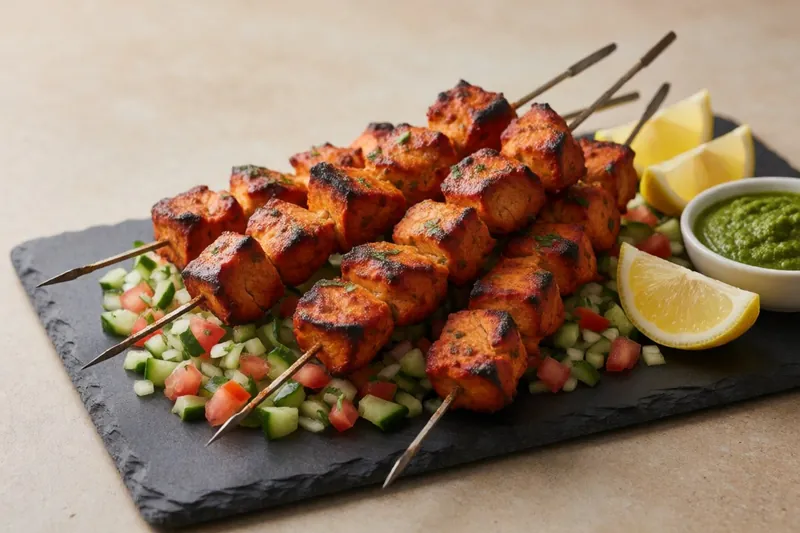 51g protein
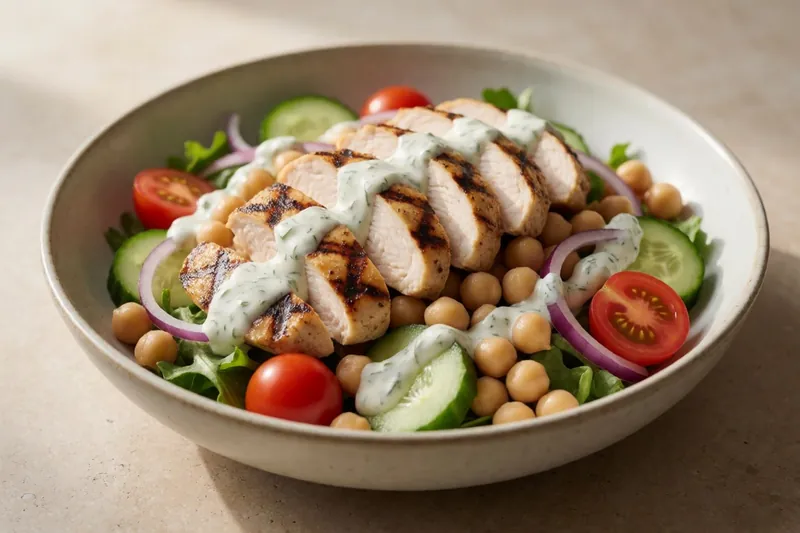 50g protein
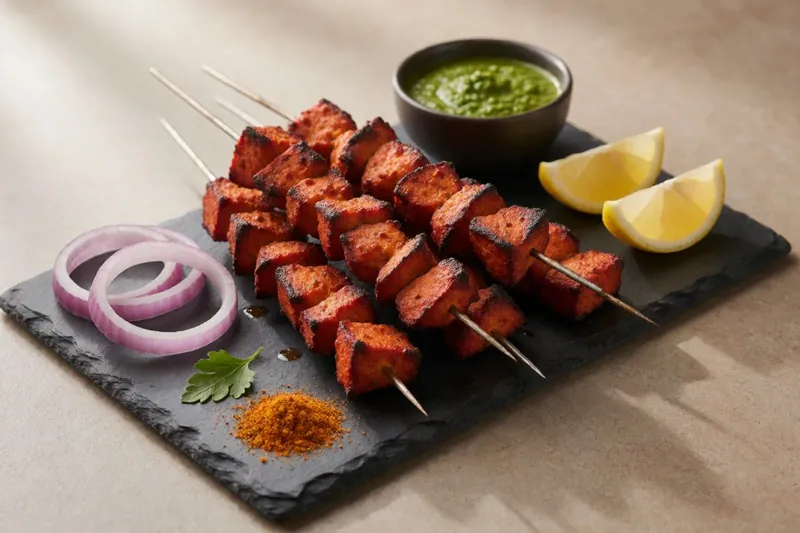 30g protein
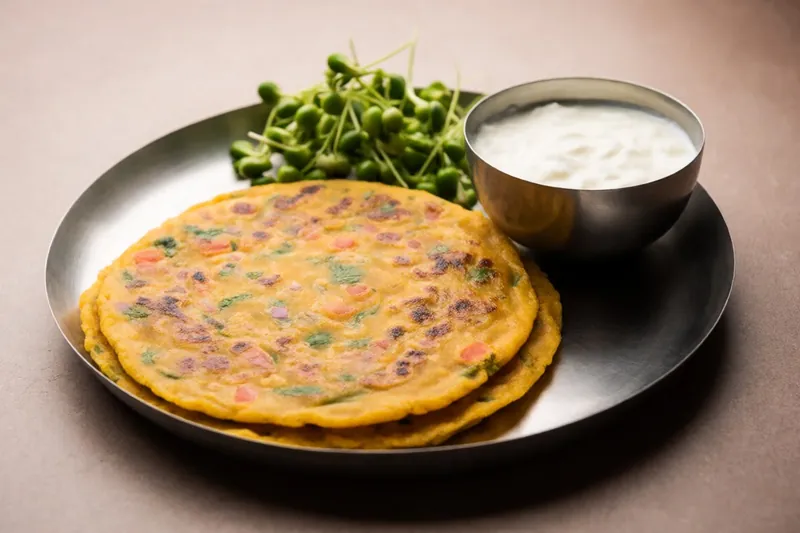 28g protein
A 75 kg person on a diet needs 150 g. Two of those chicken meals get you close to 100 g. Add a bowl of curd and one scoop of whey and the day is done.
Vegetarian, and why it needs more planning
Plant protein is less concentrated, so the same target takes a bit more food. It works fine. You just have to pick your sources on purpose instead of hoping the dal covers it.
- Paneer: about 18 g per 100 g. High in fat, so it eats into your fat budget.
- Soya chunks: around 52 g per 100 g dry. The best value protein in an Indian kitchen.
- Curd and Greek yoghurt: 3 to 10 g per 100 g, depending on how thick it is.
- Chana, rajma and other pulses: 7 to 9 g per 100 g cooked, with a lot of carbs attached.
- Whey or soy isolate: 24 g a scoop, and the quickest way to close a 30 g gap at 10pm.
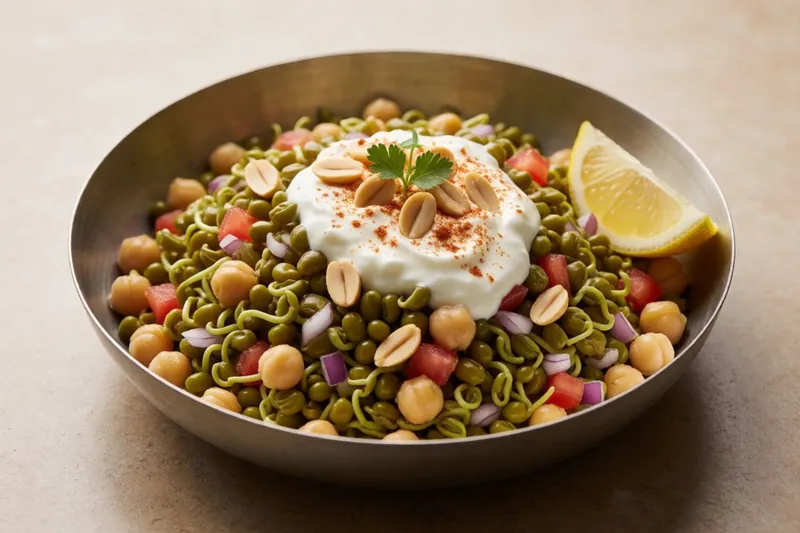 25g protein
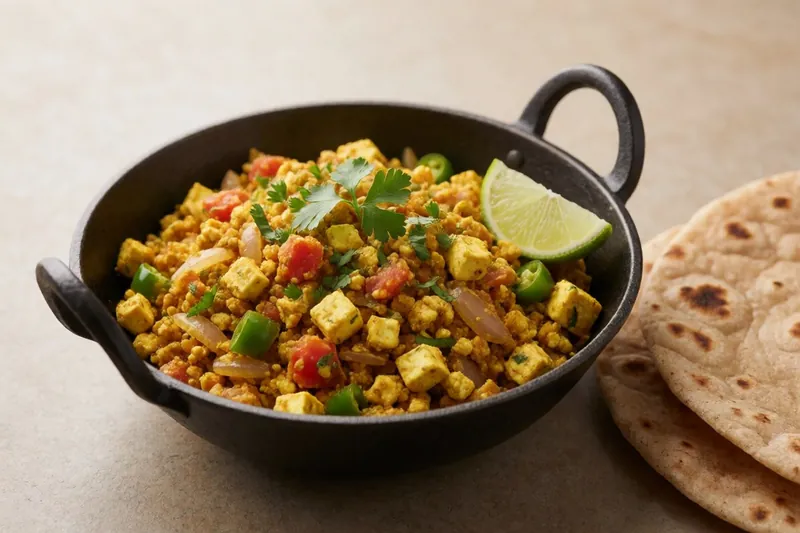 23g protein
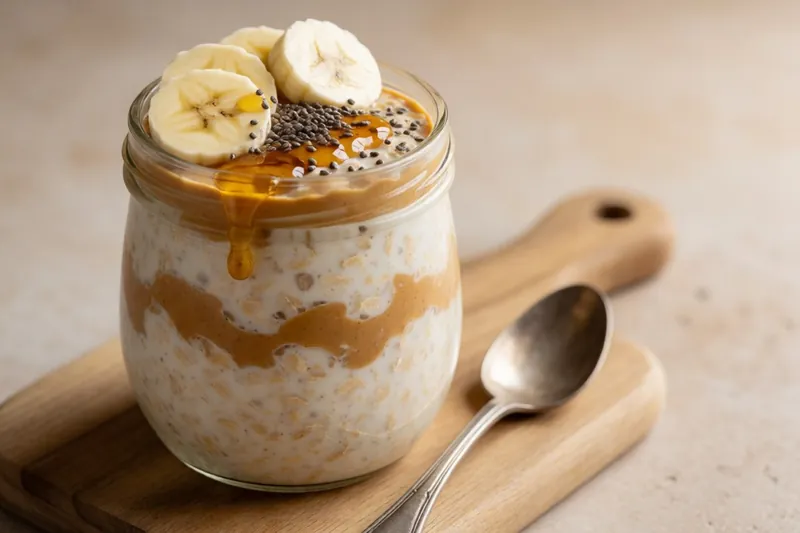 21g protein
Does timing matter?
Less than you have been told. The window after training is hours wide, not thirty minutes. What you eat across the whole day is what matters.
Spreading it out still helps a little. Three or four servings of 30 to 40 g are easier to eat than 150 g at dinner. If your day only fits two big meals, take the two big meals.
Do not train on an empty stomach and then eat nothing for four hours. Not because a window is closing, but because you have gone half a day with no protein and there is no reason to.
Where most people go wrong
- Counting the whole meal instead of the protein in it. A chicken biryani is not 50 g of protein because there is chicken in it.
- Mixing up raw and cooked weights. 100 g of raw chicken comes out at about 75 g cooked.
- Assuming dal and roti cover it. A big serving of dal is about 9 g. It is a side dish.
- Skipping protein at breakfast. That is where most people lose 25 g they never get back.
Most people who think they eat enough protein are 40 g a day short, and the gap is almost always breakfast.
Log three normal days before you change anything. Not three good days, three normal ones. Most people find they are 30 to 50 g under, and one change to breakfast fixes it.
Panko works out your protein target from your weight and goal, and updates it every time you log a new weigh-in. To log a meal you can type what you ate, say it out loud, or take a photo of the plate.
The short version
- Set protein per kilo of bodyweight: 2.0 cutting, 1.8 building, 1.7 gaining, 1.6 holding.
- Protein goes up on a diet, not down, because that is when your muscle is at risk.
- Spread it over three or four meals if you can. The daily total matters more.
- Vegetarian targets work with soya chunks, paneer, curd and pulses.
- Log three normal days first. The gap is usually at breakfast.
Questions
Can too much protein damage your kidneys?
Not if your kidneys are healthy. High-protein diets have been tested on trained adults many times without kidney damage showing up. If you already have kidney disease, ask your doctor rather than a fitness article.
Do I need a protein shake?
No. A shake is a quick 24 g, nothing more. If you can hit your target with food, do that. If you cannot, a shake is cheap and takes thirty seconds.
Should I use my current weight or my goal weight?
Current weight, for most people. If you are carrying a lot of fat, use your goal weight so the target does not get silly. Panko uses your current weight and works the number out again every time you weigh in.
Is there a limit to protein per meal?
Not a hard one. The idea that anything past 30 g is wasted is a misreading of the research. Absorption slows down, it does not stop. Four meals of 40 g is fine, and so is two meals of 70 g.
Read next




Let Panko keep score
Last time's weight on every set. A rest timer that starts on its own. Meals logged from a photo or a sentence. And a chart that shows you whether it is working.