
8 high-protein Indian meals, with the numbers
Most high-protein meal plans read like they were written by someone who has never cooked at 9pm on a weekday. These are eight meals from the Panko recipe list. All real, all with their real numbers, and none of them need an ingredient you have to order online.

The problem with the usual advice
A normal Indian plate is built around carbs. Roti, rice, dal, sabzi. It is a fine way to eat, and it gets most people to about 50 g of protein a day. A 75 kg person training four times a week needs about three times that.
The fix is not boiled chicken. It is moving the protein from the side of the plate to the middle, which most Indian dishes handle fine.
1.6 g of protein per kilo of bodyweight to hold your weight, 2.0 while dieting. For a 70 kg person that is 112 to 140 g a day, or about 35 g at each of four meals.
Four meals under 20 minutes
These are the ones that matter, because a 40-minute recipe does not get cooked on a Wednesday.
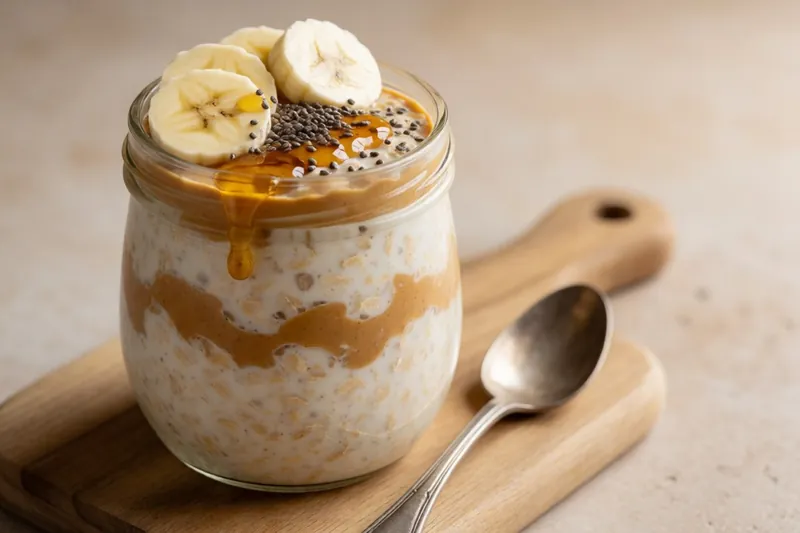 21g protein
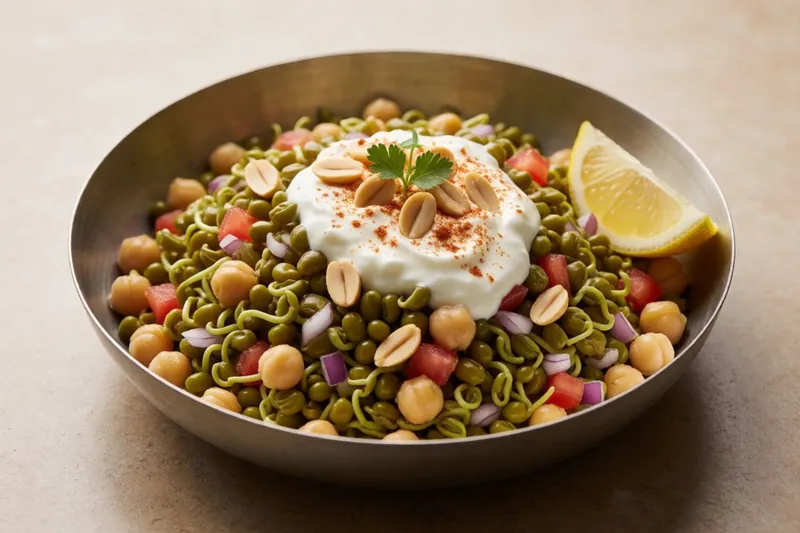 25g protein
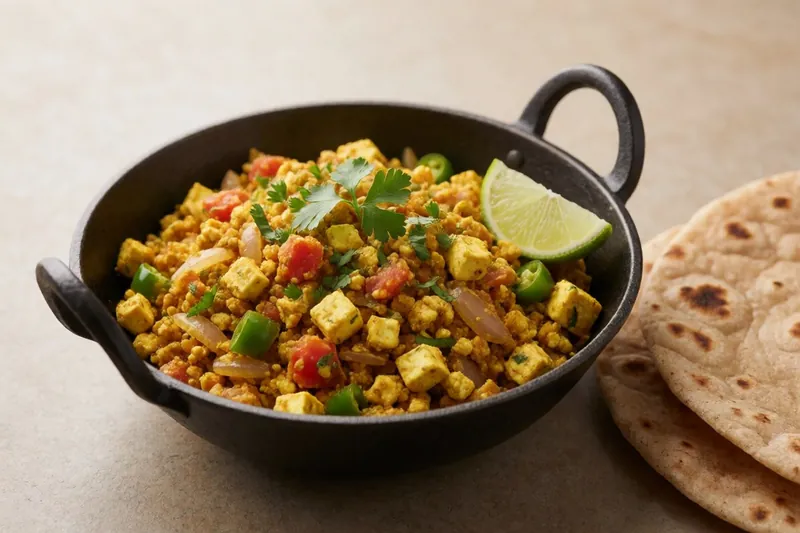 23g protein
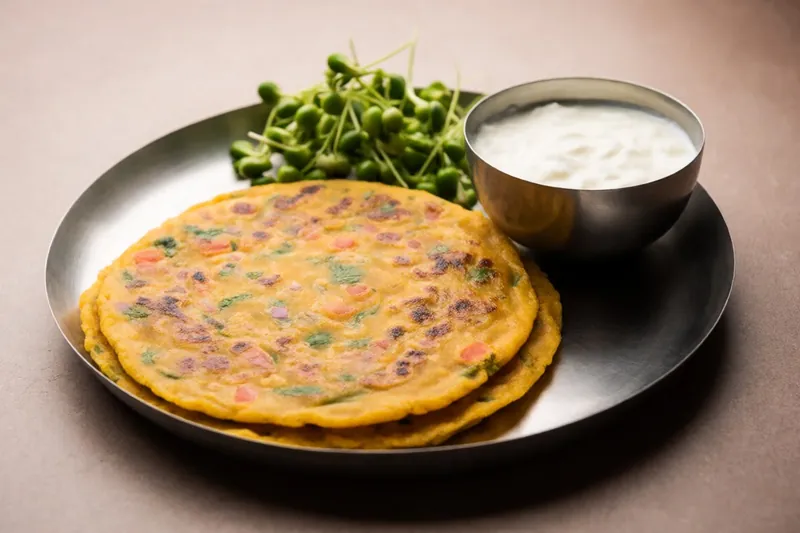 28g protein
The cheela is the best of the four. Besan is about 22 g of protein per 100 g and behaves like pancake batter. The oats take five minutes the night before, and a scoop of whey takes them from 21 g to 45 g.
Paneer bhurji brings 28 g of fat along with its 23 g of protein. That is the trade with paneer. Swap half of it for tofu if your fat budget is tight.

Breakfast is where most people lose 25 g of protein and never get it back. Fix breakfast and the rest of the day gets easy.
Four dinners worth cooking
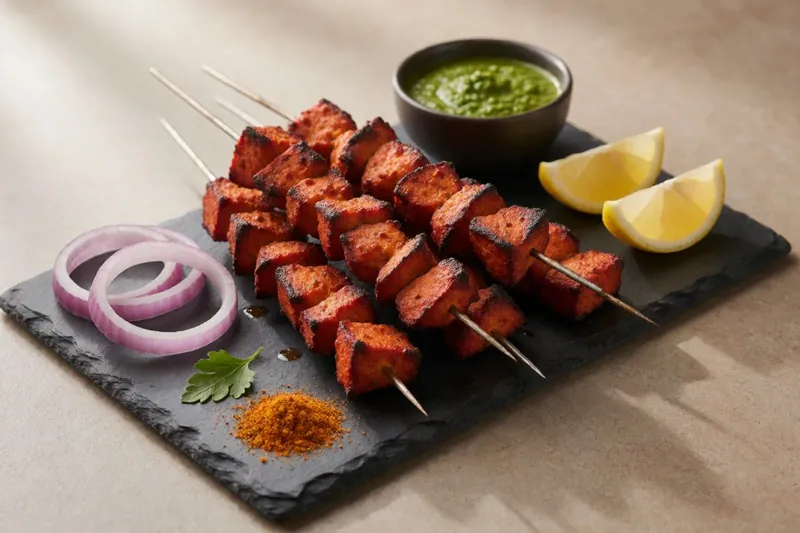 30g protein
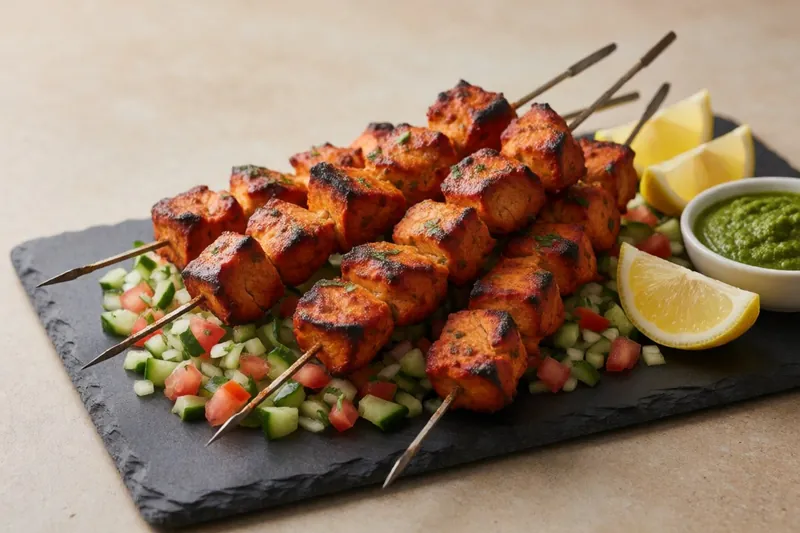 51g protein
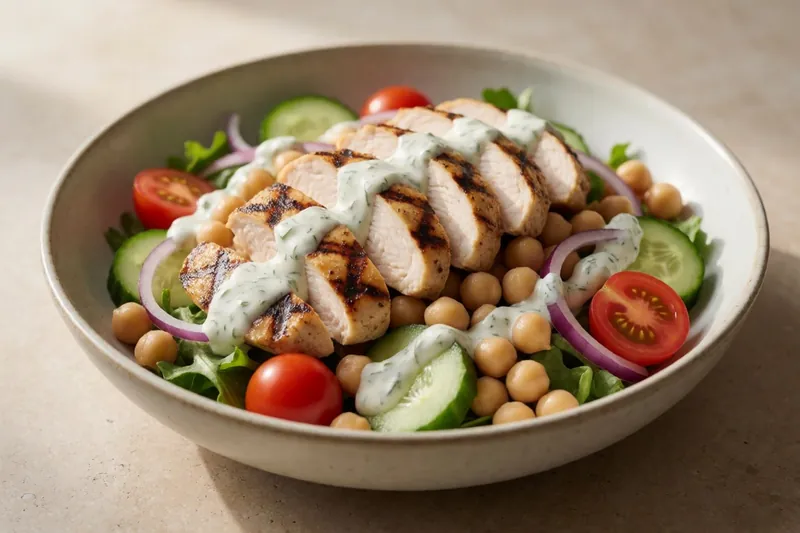 50g protein
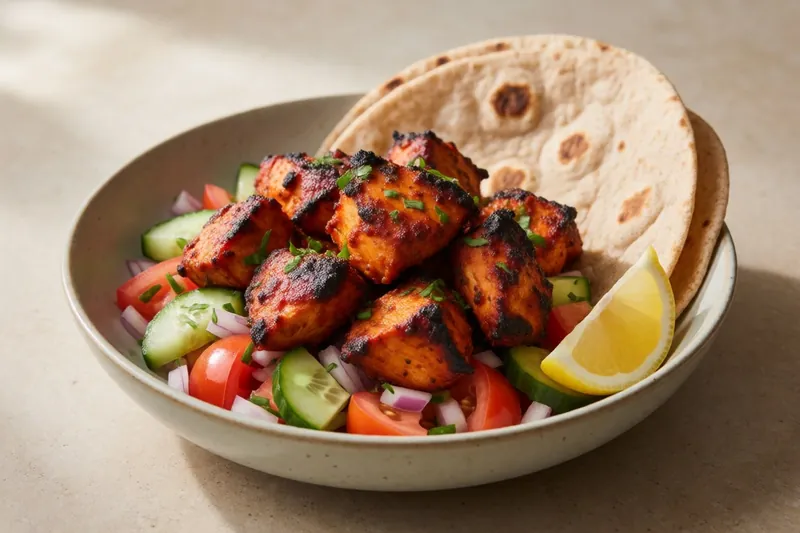 47g protein
Chicken tikka with kachumber has the best ratio here: 51 g of protein for 365 calories. Marinate it in the morning and grill it in fifteen minutes.
Soya chaap is the best vegetarian dinner at 30 g for 330 calories. Dry soya chunks are around 52 g of protein per 100 g, which makes them the cheapest protein in an ordinary Indian kitchen by a long way.
What a full day looks like
Take a 70 kg person on a diet, so 140 g of protein and about 1,900 calories.
| Meal | What | Protein | Calories |
|---|---|---|---|
| Breakfast | Besan cheela with sprouts | 28 g | 395 |
| Lunch | Grilled chicken and chana salad | 50 g | 445 |
| Snack | Curd, 200 g, plus a scoop of whey | 35 g | 250 |
| Dinner | Chicken tikka with kachumber | 51 g | 365 |
| Total | 164 g | 1,455 |
That leaves 450 calories spare for fruit, chai, oil and whatever else the day brings.
The point of writing it out is that the day is not miserable. Four meals, nothing boiled, nothing weighed to the gram, and the target is met with room to spare.
Vegetarian, without living on paneer
Paneer is the default choice and it is fatty, so a paneer-only plan fills your fat budget before it fills your protein target. Rotate your sources instead.
| Source | Protein per 100 g | Watch out for |
|---|---|---|
| Soya chunks, dry | ~52 g | Weigh them dry. They quadruple in water |
| Paneer | ~18 g | Around 20 g of fat comes with it |
| Besan | ~22 g | Carb-heavy, good for breakfast |
| Greek yoghurt | ~9 g | Plain, not the fruit ones |
| Chana, cooked | ~9 g | A lot of food for the protein |
| Whey or soy isolate | ~80 g | Fills a gap, not a plan |
Two vegetarian meals built on soya, curd or besan will close the gap that dal was never going to.
Cook once, eat three times
- Boil a big batch of chana or rajma on Sunday. It covers three meals.
- Marinate chicken in bulk and freeze it in portions. It marinates while it thaws.
- Soak and squeeze soya chunks ahead. They keep two days and cook in eight minutes.
- Always have curd, eggs and whey in the house. They rescue a day where nothing got cooked.
Macro calculator
Work out your own protein, carb and fat targets before you plan a week of food.
Every recipe here is one of the 60 in the Panko app, with the macros as listed. You can log any of them in one tap. Or type "two cheela and a bowl of curd" and let the coach work out the numbers for you.
The short version
- Move the protein to the middle of the plate instead of adding a side.
- Chicken tikka with kachumber has the best ratio here: 51 g of protein for 365 calories.
- Soya chunks are the cheapest vegetarian protein at around 52 g per 100 g dry.
- Paneer is good and fatty. Rotate it with soya, besan and curd.
- Fix breakfast first. It is where most people lose 25 g they never get back.
Questions
Can I hit 150 g of protein on a vegetarian Indian diet?
Yes, with planning. Two meals built on soya or besan, 200 g of curd, and a scoop of isolate gets a 75 kg person most of the way. Dal and paneer alone usually land around 80 to 90 g.
Is roti and rice fine while dieting?
Completely. Carbs are what you train on. Set your protein first, keep fat near a quarter of your calories, and let carbs fill the rest. Your total is what drives fat loss, not which food it came from.
Do I weigh soya chunks dry or cooked?
Dry. They soak up three to four times their weight in water, so 100 g soaked is about 25 g dry and roughly 13 g of protein, not 52 g. This is the most common mistake in Indian food tracking.
How much protein is in one roti or one bowl of dal?
A medium roti is around 3 g. A big bowl of dal is around 9 g. Together they are a side dish. A plate of roti, dal and sabzi is often under 20 g of protein for 600 calories.
Read next



Let Panko keep score
Last time's weight on every set. A rest timer that starts on its own. Meals logged from a photo or a sentence. And a chart that shows you whether it is working.